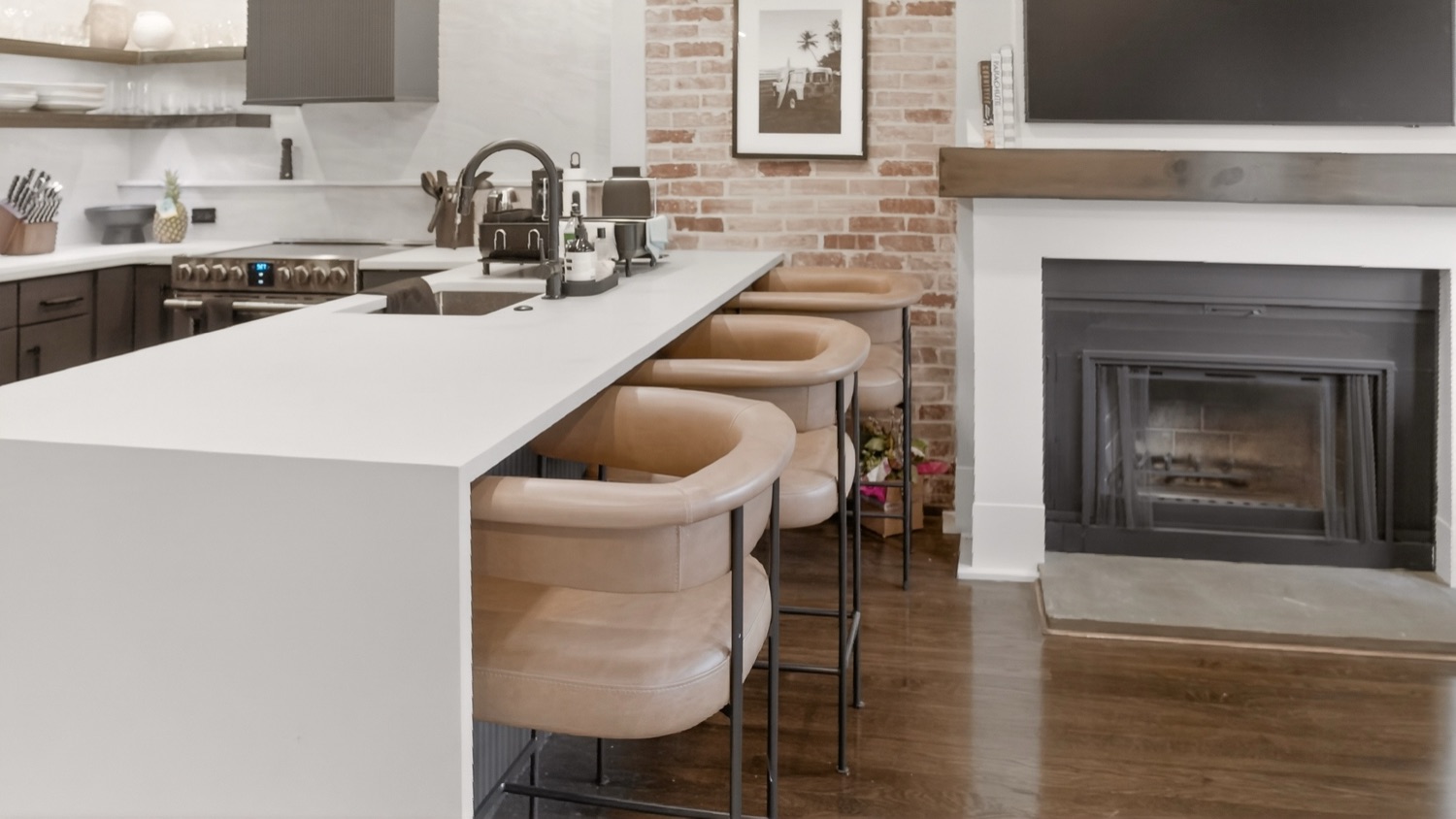
Expanding a home in Boston can create the space a family needs without giving up the neighborhood, property, or location they already value. A rear addition, upper-level expansion, larger kitchen and living area, new primary suite, or home office can significantly improve how a house functions. In Boston, though, an addition is rarely just a matter of adding square footage.
The process should start with a clear review of the property itself, including existing use, zoning, lot size, setbacks, building height, floor area, open space, structure, utilities, and overall condition. Boston’s zoning requirements vary by neighborhood, and many homes already sit close to the limits of what the lot allows. An addition that reduces required yard space, increases height, exceeds floor area, or changes the existing use may require zoning relief before a building permit can be issued.
This is especially important on smaller city lots, where the design can affect neighboring properties, light, access, drainage, and the overall feel of the street. A rear addition may seem straightforward until setbacks or open-space requirements are reviewed. A vertical addition may look simple in concept but raise questions about height, massing, structure, and whether the existing foundation and framing can support the added load.
Boston’s older housing stock adds another layer. More than half of the city’s housing units were built before 1940, and many homes have been altered multiple times since then. Existing drawings, permit records, or visible conditions may not tell the full story. Once walls, ceilings, or foundations are opened, contractors may uncover outdated wiring, undersized plumbing, aging mechanical systems, damaged framing, undocumented prior work, or structural conditions that differ from the plans.
That does not mean every older home is a problem. It means the project should be planned realistically. A proper review before construction can reduce surprises, but some concealed conditions cannot be confirmed until demolition begins. The budget and schedule should account for that possibility from the start.
Structural planning is especially important for second-story and upper-level additions. The existing foundation, bearing walls, framing, roof structure, and connections need to be evaluated before the design is finalized. Reinforcement may be required, and new plumbing, electrical, heating, cooling, insulation, and fire-safety work often needs to be coordinated through the existing home. In many cases, the addition affects more than the new space itself.
The best additions feel like they belong to the original house. Ceiling heights, window placement, flooring, trim, millwork, exterior materials, rooflines, and transitions between old and new spaces all matter. A well-planned addition should improve the layout of the home, not just attach more space to the back or top of it.
Some homeowners need a larger kitchen and living area with better connection to the yard. Others need a primary suite, additional bedrooms, a mudroom, home office, guest space, or a more functional upper level. The right approach depends on how the family lives, what the existing home can support, and what the property can reasonably accommodate.
Historic review may also come into play. Properties within Boston’s local historic districts, or properties designated as individual landmarks, may require approval for exterior changes. In those cases, the design may need to account for materials, windows, rooflines, visibility from the street, and how the addition relates to the original structure.
Construction logistics should be addressed early as well. Many Boston homes have narrow driveways, limited yard space, restricted street parking, and little room for dumpsters, materials, or equipment. Deliveries, debris removal, temporary protection, scaffolding, utility interruptions, and worker access all need to be planned. If the homeowners stay in the house during construction, the project may also require temporary walls, phased work, dust control, and clear communication around the most disruptive parts of the job.
Home additions in Boston generally require a building permit and site-plan review. Major alterations that change the structure or use of a home, building, or lot may require a long-form permit. Depending on the scope, the project may also involve zoning review, engineering, electrical, plumbing, gas, mechanical, energy-code, and fire-safety requirements.
The most effective way to control a home addition is to answer the important questions early. The design should reflect what zoning allows, the structural plan should respond to the actual condition of the home, and selections should be made with budget, schedule, and lead times in mind. Permitting, inspections, utility work, engineering, and owner-supplied items should be clearly defined before construction begins.
Cityside Construction works with homeowners throughout Greater Boston on additions and large-scale residential projects. We manage the process from early planning and permitting through construction, inspections, and closeout, with a focus on thoughtful planning, consistent oversight, and work that feels like a natural extension of the original home.